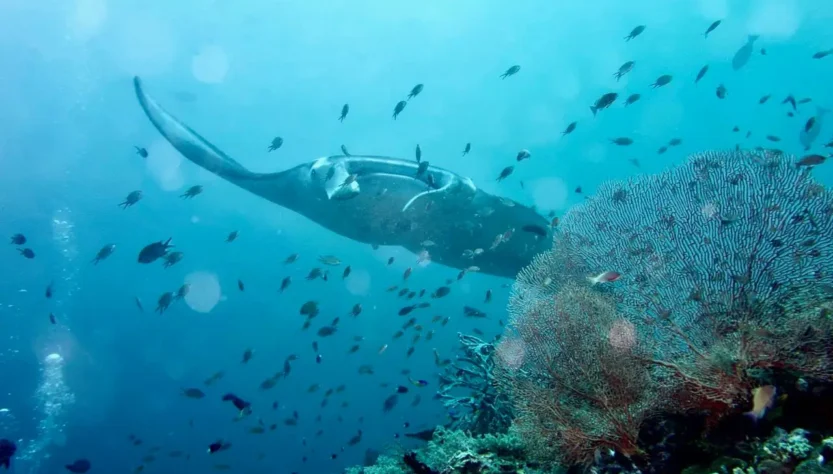
Indonesia is one of the world’s most exciting destinations for marine biodiversity, offering divers an extraordinary variety of underwater creatures across its thousands of islands. From manta rays and reef sharks to pygmy seahorses, wobbegong sharks, turtles, and colorful reef fish, every region has its own underwater highlights.
For divers planning an Indonesian liveaboard adventure, Komodo, Raja Ampat, the Banda Islands, Sumbawa, and Alor offer particularly diverse experiences. But what marine creatures can you actually expect to encounter in each destination?
Why Is Indonesia So Rich in Marine Life?
Indonesia sits within the Coral Triangle, a region recognized for exceptional marine biodiversity. Its combination of coral reefs, deep channels, seamounts, currents, mangroves, and nutrient-rich waters creates habitats for thousands of marine species.
The result is a remarkable range of diving experiences. Some destinations are particularly famous for large pelagic animals, while others are better known for macro creatures and unusual reef species.
This diversity also makes Indonesia especially well-suited for liveaboard diving, allowing divers to explore several remote sites in a single journey.
What Marine Creatures Can You See in Komodo?
Komodo is best known for its dramatic currents, healthy reefs, and encounters with large marine animals. One of its biggest attractions is the opportunity to encounter manta rays, particularly around cleaning stations and current-swept sites.
Divers may also encounter reef sharks, turtles, giant trevally, barracuda, Napoleon wrasse, eagle rays, and large schools of reef fish.
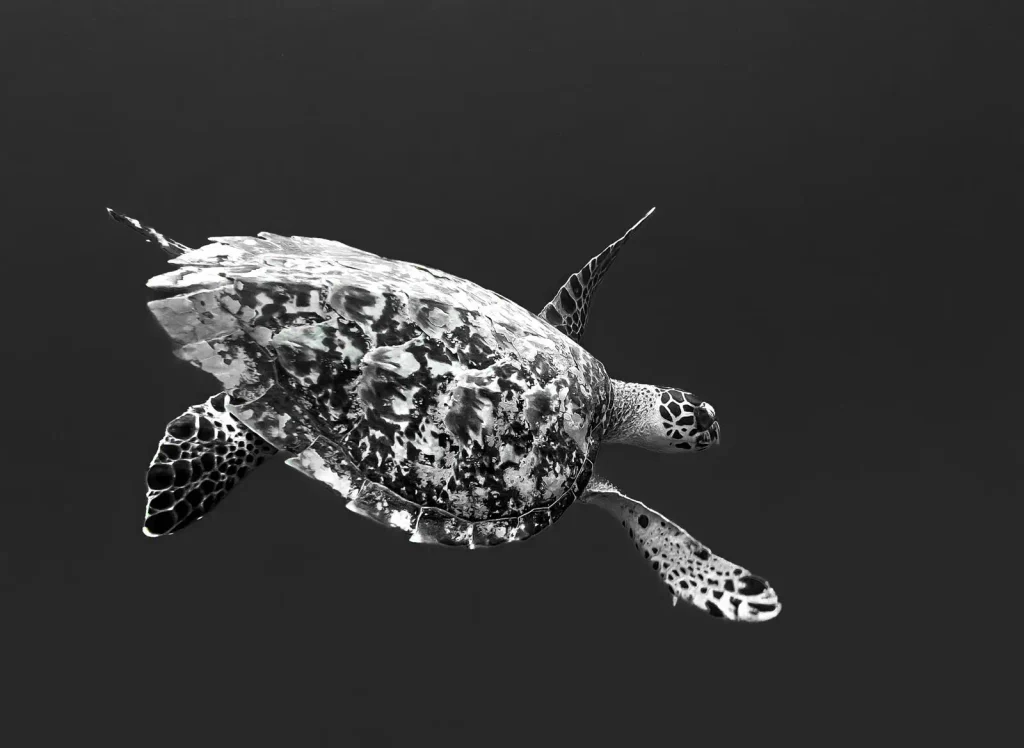
The nutrient-rich currents that flow through Komodo National Park help support abundant marine ecosystems. At the same time, sheltered areas can provide opportunities to search for smaller reef creatures and colorful nudibranchs.
For divers who enjoy combining spectacular underwater scenery with encounters with large animals, Komodo offers one of Indonesia’s most accessible liveaboard experiences.
What Makes Raja Ampat Special for Marine Life?
Raja Ampat is widely regarded as one of the world’s premier marine biodiversity destinations. Its reefs support an extraordinary variety of fish and coral species, making it a favorite among divers, underwater photographers, and marine-life enthusiasts.
Manta rays are among the region’s most famous encounters. However, Raja Ampat offers much more than large pelagic species.
Divers can search for wobbegong sharks, walking sharks, pygmy seahorses, nudibranchs, turtles, reef sharks, and countless reef fish. The region’s combination of coral gardens, mangroves, channels, and offshore reefs creates habitats for both large and microscopic creatures.
This combination makes Raja Ampat particularly appealing to divers who want variety rather than to those focused on a single signature animal.
What Can You See While Diving the Banda Islands?
The Banda Islands offer a very different diving experience. Located in the remote Banda Sea, these volcanic islands are known for clear water, dramatic walls, healthy coral reefs, and encounters with pelagic species.
One of the region’s most exciting possibilities is encountering hammerhead sharks, although wildlife encounters in the ocean are never guaranteed.
Divers may also encounter tuna, reef sharks, schooling fish, turtles, rays, and an impressive range of reef species.
Beyond marine life, the Banda Islands provide a sense of exploration that is difficult to replicate in more developed diving destinations. A liveaboard is particularly valuable here because it provides access to remote dive sites across the Banda Sea.
What Marine Life Can You Find Around Sumbawa?
Sumbawa is an increasingly interesting destination for divers looking beyond Indonesia’s most famous diving regions. Its waters combine coral reefs, channels, islands, and nutrient-rich environments that support a variety of marine life.
Depending on the location and season, divers may encounter manta rays, reef sharks, turtles, rays, schooling fish, and colorful reef species.
Sumbawa can also appeal to underwater photographers who enjoy searching for smaller reef creatures between encounters with larger animals.
Its relative lack of international diving traffic adds another attraction: the feeling of discovering an underwater environment that remains less crowded than some of Indonesia’s better-known destinations.
What Makes Alor Special for Marine Life?
Alor is another destination where marine diversity is a major attraction. Located in eastern Indonesia, the archipelago is known for clear waters, strong currents in some areas, colorful reefs, and an impressive variety of marine life.
Manta rays and reef sharks can be among the larger encounters, while macro enthusiasts can search for seahorses, nudibranchs, crustaceans, and other small reef creatures.
Alor’s underwater landscapes also vary considerably between dive sites, making it well-suited to divers who enjoy changing environments throughout a trip.
Which Indonesian Destination Is Best for Different Marine Creatures?
There is no single destination that is best for every species. Instead, each region offers its own strengths.
| Marine Creature | Destinations to Consider |
|---|---|
| Manta rays | Komodo, Raja Ampat, Alor |
| Wobbegong sharks | Raja Ampat |
| Walking sharks | Raja Ampat |
| Hammerhead sharks | Banda Islands |
| Pygmy seahorses | Raja Ampat, Alor |
| Sea turtles | Komodo, Raja Ampat, Sumbawa |
| Reef sharks | Komodo, Raja Ampat, Banda Islands, Alor |
| Macro marine life | Raja Ampat, Alor, Banda Islands |
| Schooling pelagics | Komodo, Banda Islands, Alor |
Wildlife sightings depend on location, season, currents, water conditions, and natural animal behavior, so no encounter can be guaranteed.
Which Indonesian Dive Destination Should You Choose?
The best destination depends on the type of marine life you want to see.
Choose Komodo for manta rays, dramatic reefs, strong currents, and large marine encounters. Choose Raja Ampat if maximum biodiversity and unusual species are your priorities. Consider the Banda Islands for remote diving, pelagic encounters, and potential hammerhead sightings. Sumbawa offers a less-explored alternative with diverse reef ecosystems, while Alor combines pelagic encounters with excellent opportunities for macro photography.
For travelers who want to explore multiple remote dive sites in a single trip, an Indonesian liveaboard can be one of the most rewarding ways to experience these destinations.
Whether your goal is to photograph a manta ray, search a reef for a tiny seahorse, or simply experience Indonesia’s extraordinary underwater biodiversity, each destination offers a different window into the marine world.
Explore the diving regions and liveaboard experiences available through The Yacht Club Indonesia and discover which Indonesian destination best matches your underwater bucket list.